

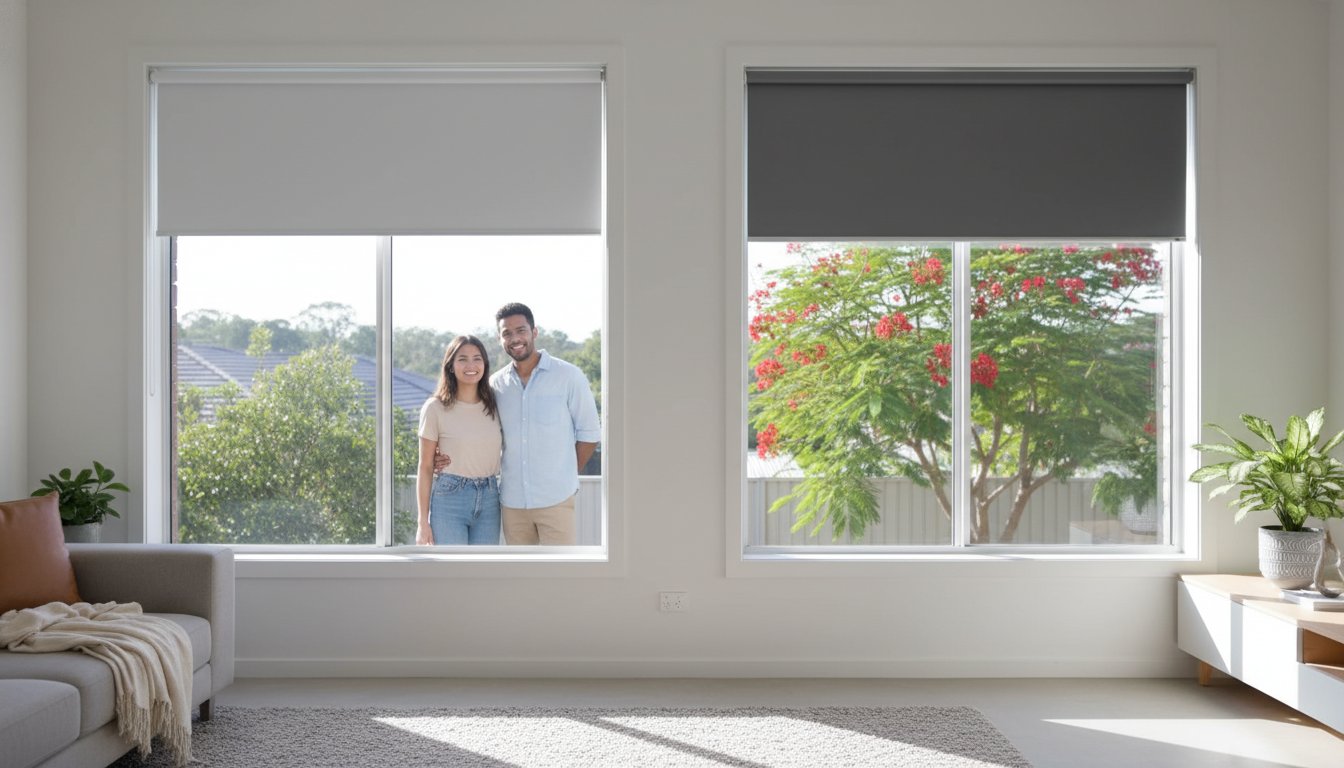
Last Tuesday, a DIYer in Melbourne realized that a simple 10mm measurement error on his custom order meant his new blockouts wouldn’t clear his window handle. It’s a common story that can cost Australian homeowners upwards of A$450 in avoidable replacement fees, but it doesn’t have to be yours. Deciding between recess vs face fit blinds is often the most stressful part of a home refresh, especially when you’re worried about light bleeding into a bedroom at 5:00 AM during a scorching Aussie summer.
We know you want your home to look like a designer showroom without the eye-watering price tag of a professional installer. You’re looking for a professional finish that blocks out the heat and provides total privacy for your family. By mastering the difference between these two mounting styles, you’ll gain the confidence to measure your own windows with millimetre precision and enjoy the massive savings of factory-direct pricing.
This guide provides a clear, step-by-step breakdown of which mount suits your specific window type and frame depth. We’ll help you handle the technical details so you can enjoy a seamless installation and a beautiful, custom-made result that fits your space perfectly.
Key Takeaways
- Understand the difference between the sleek, inside-the-frame look of a Reveal Fit and the robust, wall-mounted coverage of an Outside Mount.
- Learn how to choose between recess vs face fit blinds based on your room’s specific needs, from total blockout in bedrooms to space-saving solutions in kitchens.
- Identify common “deal-breaker” window obstructions like handles and winders that can determine which mounting style is physically possible for your home.
- Master the “Golden Rule” of DIY measuring to avoid costly errors and ensure your custom-made blinds fit perfectly the first time.
- Discover which mounting option offers the best performance for light control to help you achieve a better sleep-in on bright Australian mornings.
What is the Difference Between Recess and Face Fit Blinds?
Deciding how to mount your window coverings is the most vital step in your DIY journey. It sets the stage for your measurements, your budget, and the final look of your room. When comparing recess vs face fit blinds, you’re essentially choosing where the blind sits in relation to the window opening. A recess fit, often called a reveal fit, sits snugly inside the window frame. It creates a seamless, integrated look that shows off your timber or aluminum frames. On the other hand, a face fit, also known as an outside mount, is installed on the wall or the architrave above the window, covering the entire opening like a lid on a box.
This choice changes how you perceive space. In a 2023 analysis of Australian residential design trends, 68% of homeowners chose face fit blinds for smaller windows to create the illusion of a larger opening. By mounting the blind higher and wider than the actual glass, you trick the eye into seeing a grander feature. Conversely, recess fits are the go-to for 85% of modern Brisbane apartment renovations because they maintain a compact footprint, perfect for tight spaces where every millimeter of room matters. Understanding different types of window coverings and their mounting styles ensures you don’t end up with a product that clashes with your home’s architecture.
Getting this right at the start is critical. If you measure for a recess fit but decide later you want a face fit, your custom-made blinds will be too small to cover the architraves. We want to help you avoid those costly mistakes. Our factory-direct approach means you get premium quality at an affordable price, but that value only shines when the fit is spot on. Take a moment to look at your window right now. The decision you make here dictates every measurement you’ll take later.
Terminology Breakdown: Reveal, Recess, and Architraves
You’ll hear plenty of industry lingo while shopping for custom-made blinds online. The ‘Reveal’ is the internal flat surface of the window opening; if you’re mounting here, you’re doing a recess fit. The ‘Architraves’ are the decorative timber frames that surround your window on the wall. In Australia, we often use ‘Inside Mount’ and ‘Outside Mount’ interchangeably with recess and face fit. Knowing these terms helps you follow our measurement guides with total confidence, ensuring your premium blinds arrive ready for a perfect DIY installation.
The ‘Soul’ of the Room: How Mounting Affects Interior Design
Your mounting choice dictates the room’s vibe. A recess fit is the hallmark of minimalist, modern aesthetics. It keeps the lines of the room clean and allows your window trim to remain visible. This is ideal if you’ve invested in high-quality timber architraves that deserve to be seen. If your home is a more traditional Queenslander or you want to block out every lick of light, face fit is your best friend. It provides superior light control by covering the gaps at the edges of the window. It also hides older, dated window frames that might not match your new decor. By choosing the right mount, you aren’t just hanging a blind; you’re defining the architectural character of your home.
Pros and Cons: Comparing Recess vs. Face Fit Mounting
Choosing between recess vs face fit blinds isn’t just about what looks best on your screen. It’s about how your home handles the intense Queensland sun. In Brisbane, where we see over 2,800 hours of sunshine annually, your mounting choice directly impacts your comfort and your power bill. A well-fitted blind does more than provide privacy; it acts as a thermal barrier. Citing the energy-saving benefits of blinds is essential here because a correctly installed window covering can reduce heat gain by up to 77 percent during a 32-degree summer afternoon. While both styles offer great value, they solve very different problems in a typical Australian home.
Installation for both styles is straightforward for any DIY enthusiast. You only need a few basic tools: a power drill, a 3mm drill bit for pilot holes, a Phillips head screwdriver, and a spirit level. Most people can install a standard window in under 20 minutes. The real challenge is deciding whether you want your blinds to blend into the architecture or provide a total shield against the outside world.
The Case for Recess Fit: Sleek and Seamless
Recess fitting is the go-to choice for modern Brisbane apartments and homes with beautiful timber architraves. By mounting the blind inside the window reveal, you keep the lines of your room clean and uncluttered. This style doesn’t protrude into your living space, making it perfect for smaller rooms where every centimetre counts. It allows your decorative window frames to remain visible, which is a huge plus if you’ve invested in premium materials.
However, the main drawback is the “light gap.” To ensure the blind operates smoothly, we have to manufacture the fabric slightly narrower than the brackets. This usually results in a 10mm to 15mm sliver of light on each side. While this is fine for a lounge room or kitchen, it might frustrate a light sleeper. Recess fitting also requires a minimum reveal depth of 60mm to sit flush; anything shallower and the blind will stick out awkwardly.
The Case for Face Fit: Total Control
If you’re looking for the ultimate “sleep-in” or need to cover up older, “ugly” window frames, face fit is your best friend. This method involves mounting the blind to the face of the architrave or the wall above the window. Because the fabric overlaps the entire opening by at least 50mm on each side, it eliminates those annoying light gaps. This makes face fit the superior choice for bedrooms, nurseries, or home theatres where total darkness is the goal.
The trade-off is that the blind sits proud of the wall, which can feel a bit bulky in tight spaces. It also completely hides your window trim. For older Queenslanders with shallow window reveals that can’t accommodate a recess mount, face fit is often the only practical solution. It provides a generous layer of insulation by covering the entire window structure, helping to keep that humid Brisbane air at bay. If you’re still weighing up the visual impact for your specific room, our guide on how to measure for blinds provides clear examples of how each style occupies your wall space.
Window Anatomy: When the Choice is Made for You
Sometimes your window’s physical design makes the final call on the recess vs face fit blinds debate before you even pick a fabric. In many Brisbane homes, especially those built during the 1990s housing boom, window hardware can be a major hurdle. You need to look for “deal-breaker” obstructions like protruding window winders, latch handles, or security locks. If these items stick out more than 20mm from the glass, a recess fit might cause the blind fabric to snag or bunch every time you roll it down. For sliding doors, the handle is usually the deciding factor; if it’s a bulky d-handle, you’ll almost certainly need a face fit to ensure the blind clears the hardware without a struggle.
The 60mm Rule: Checking Your Reveal Depth
To get that sleek, integrated look, you need enough space inside the window frame. We recommend the 60mm rule for most of our premium roller blinds. To check this, measure from the glass to the very edge of your timber or plaster reveal. If you have a full 60mm of clear space, your blind will sit “flush,” meaning it won’t poke out into the room. If your depth is only 40mm, your blind will sit “proud” of the frame. This isn’t a disaster, but it does mean the bracket will be visible from the side. For windows with a shallow depth of less than 35mm, we suggest moving to a face fit above the frame to ensure a secure mount into the architrave or wall studs.
The Hybrid Approach: Double Roller Blinds
In Queensland, the “hybrid mount” is a massive favorite for bedrooms and living areas. About 65% of our double roller blind customers choose to recess the sunscreen blind while face fitting the blockout blind. This setup provides the ultimate light control. The sunscreen sits close to the glass for daytime privacy, while the blockout blind sits on the face of the architrave. This specific recess vs face fit blinds configuration eliminates the “light gap” around the edges, which is essential if you want a pitch-black room for sleeping during those early Brisbane sunrises. It’s a practical way to get the benefits of both styles without compromising on functionality.
Specialty windows also require a bit of extra thought to get the installation right:
- Corner Windows: These often require a 100mm clearance if you’re trying to recess both blinds. If you don’t have this space, the rollers will knock against each other in the corner, preventing them from operating smoothly.
- Bay Windows: Most DIYers find face fitting on the individual frames much easier. It hides the complex angles of the bay and provides a more uniform look across the different glass panels.
- Sliding Doors: A face fit is generally the best choice here. It allows the blind to be mounted high enough that the rolled-up fabric doesn’t hit the heads of your guests as they walk through to the patio.
Before you commit to a style, grab your tape measure and check at least three points along the top of your window. Frames aren’t always perfectly square, especially in older Queenslanders. Finding a 5mm difference in depth from one side to the other is common, and knowing this early saves you a lot of headache during the installation phase. We want your DIY project to be a win, so taking these two minutes to check for obstructions now ensures your custom-made blinds fit perfectly the first time. If you’re also planning to cover an alfresco or patio area, our guide on how to measure for outdoor blinds walks you through the unique challenges of measuring patio posts and uneven beams with the same precision.
The DIY Measuring Masterclass: Avoiding Costly Errors
Getting your measurements right is the difference between a premium finish and a frustrating return. At Aussie Online Blinds, we want your windows to look spectacular. The first rule is absolute: always use a metal tape measure. Fabric tapes are designed for curves and can stretch up to 8mm over a standard 2100mm window width. That tiny discrepancy is enough to make a recess blind jam or leave an unsightly light gap.
Precision matters because we manufacture your blinds to the exact millimetre. Whether you are choosing recess vs face fit blinds, your measurements dictate the final aesthetic. A single mistake can lead to a 100 percent loss on custom products since they cannot be resized easily. Grab a notepad, your metal tape, and follow these steps to ensure a seamless fit.
Measuring for Recess (Inside Mount)
Recess fitting offers a sleek, integrated look that sits flush within your window frame. To get this right, you must measure the width in three distinct places: the top, the middle, and the bottom. Write all three down. The smallest width is the number you provide. This ensures the blind doesn’t scrape against the window jambs if the frame is slightly out of square, a common issue in 45 percent of Australian homes built before 1990.
- Width: Record the smallest of your three measurements.
- Drop: Measure the height in three places and record the largest measurement to ensure full coverage.
- Deductions: Don’t make your own. Our factory takes a standard 2mm to 4mm deduction from your provided width to ensure the brackets fit perfectly inside the opening.
Measuring for Face Fit (Outside Mount)
Face fit blinds are the go-to choice for maximum light blockage and privacy. You’ll generally measure from the outside edge of one architrave to the outside edge of the other. This creates a clean, framed appearance. If your window lacks architraves, measure the opening and add at least 50mm to each side. This 100mm total increase prevents “light bleed” from the sides, which is essential for bedrooms where 95 percent light exclusion is the goal.
Understand the difference between “bracket to bracket” width and “cloth width”. For a standard roller blind, the fabric is typically 30mm to 35mm narrower than the total bracket width. This gap is necessary for the operating chain and the pin end. If you need total darkness, ensure your face fit measurements allow for enough overlap to cover these inevitable gaps. If you feel ready to transform your space, get your precise measurements started today with our easy online ordering system.
Taking ten minutes to double-check your numbers saves hours of hassle later. We recommend measuring every window individually. Even if two windows look identical, a 3mm difference in a modern Brisbane build is incredibly common. Trust your metal tape, follow the “smallest width” rule for recess, and you will achieve a professional, custom-made look every time. If you’re new to ordering blinds online Australia and want a complete walkthrough of selecting UV-resistant fabrics and navigating the custom order process, our 2026 DIY guide to custom window coverings covers every step from fabric selection to safe delivery.
Decision Matrix: Which Mount Should You Choose for Each Room?
Choosing between recess vs face fit blinds depends entirely on the specific function of your space. Brisbane’s 2,800 hours of annual sunshine mean your choice impacts more than just aesthetics; it affects heat gain and sleep quality. While one style might look sleek in a magazine, it could be the wrong practical fit for a humid Queensland bathroom or a bright west-facing bedroom. You need to weigh up light control against architectural style to get the best result for your home.
For the bedroom, face fit is the undisputed king. This mounting style sits outside the window architrave, covering the entire opening like a lid on a box. This setup is essential if you want to eliminate the “halo effect,” which is that annoying glow of light leaking around the edges of your blinds at 5:00 AM. A high-quality blockout fabric installed as a face fit can stop up to 99% of external light. It’s the best option for shift workers, parents of young children, or anyone sensitive to streetlights.
Wet areas like the kitchen and laundry require a different strategy. Recess fit is the smarter choice here because it keeps the blind tucked away within the window casing. If your kitchen sink is located directly under a window, a recess fit provides a 15mm to 20mm safety gap from splashes. This prevents the fabric from absorbing moisture and reduces the risk of mould growth. It also keeps your benchtops clear for appliances and food prep.
Living spaces often benefit from the clean lines of a recess fit. If your Brisbane home features beautiful timber architraves or modern minimalist frames, you don’t want to hide them. A recess mount keeps the window area feeling open and airy, which is perfect for smaller lounge rooms. It allows the window to feel like a part of the wall rather than an added bulky layer, maintaining a seamless flow through the house.
Run through this final checklist before you make your decision:
- Does the window frame have at least 60mm of depth for a recess mount?
- Are there protruding handles or window winders that will catch on the fabric?
- Is total darkness a priority for this specific room?
- Do you want to show off your decorative window trim or hide it?
- Will the blind be frequently exposed to steam or water splashes?
Room-by-Room Recommendations
In bedrooms, prioritize face fit to ensure your sleep isn’t interrupted by the morning sun. For living rooms, use a recess fit to maintain an unobstructed view and a tidy appearance. In bathrooms and kitchens, stick with a recess fit to protect your custom blinds from moisture and maximize your usable bench space. These small choices make a massive difference in how your home functions daily.
Ordering Your Custom Blinds Online
Once you’ve decided on the mount, our Aussie Online Blinds configurator makes the rest easy. You simply select your mount type, and our system guides you through the exact measurements needed for a perfect fit. We recommend double-checking your numbers twice; a 5mm error can be the difference between a smooth operation and a blind that rubs against the frame. Our homegrown team is always ready to help if you’re unsure about a tricky window. If you’re extending your project to an outdoor entertaining area, our step-by-step DIY checklist for measuring outdoor blinds covers everything from sloping floors to patio posts so you can order with total confidence. Ready to transform your home? Shop our custom roller blinds today!
Ready to Transform Your Australian Home?
Choosing between recess vs face fit blinds comes down to your window’s frame depth and your specific light control needs. A recess mount requires at least 60mm of depth for a perfectly flush finish. In contrast, a face fit mount usually needs a 50mm overlap on each side to block out the harsh sun. As a 100% Australian family-owned business, we make sure every blind is custom-built for our local climate. Our easy-to-follow DIY installation guides mean you can skip the A$150 professional call-out fee and get the job done right yourself. You now have the expert knowledge to select the perfect mount for every room. It’s time to enjoy the premium look and lasting durability of window furnishings designed specifically for your space. We’re here to help you every step of the way.
Shop Custom DIY Blinds & Save with Aussie Online Blinds
Grab your tape measure and let’s get started on your home’s beautiful new look today.
Frequently Asked Questions
What is the difference between reveal fit and face fit?
A reveal fit sits inside your window frame, while a face fit is mounted onto the architrave or the wall above the opening. When choosing between recess vs face fit blinds, you’ll find that reveal fits offer a sleek, integrated look that keeps your timber work visible. Face fits are better for blocking out 100% of light because they overlap the window edges by at least 50mm on each side.
Can I change a recess fit blind to a face fit later?
You can’t easily swap a recess fit blind to a face fit because the measurements are completely different. A recess blind is cut to fit the internal width of your frame, which often leaves it 25mm to 35mm too narrow to cover the architraves effectively. If you’ve already ordered a custom-made blind from our factory, the brackets and tube length are specific to that original internal measurement.
How much depth do I need for a recessed roller blind?
You generally need a minimum window depth of 60mm to ensure a standard roller blind sits flush within the reveal. If your window frame is shallower than 60mm, the blind will protrude into the room, which can interfere with curtains or nearby furniture. For double rollers, you’ll need at least 100mm of clearance to accommodate both brackets comfortably without hitting the window handle.
Will a recess fit blind have light gaps?
Yes, every recess fit roller blind will have small light gaps of roughly 15mm to 20mm on each side where the brackets and chain drive sit. This is a standard technical requirement for the blind to operate within the frame. If you need a total blackout for a bedroom in Brisbane’s bright sun, we recommend choosing a face fit to eliminate these gaps entirely.
Should I measure the architrave or the glass for face fit?
You should measure from the outside edge of the architrave on one side to the outside edge on the other. This ensures the blind covers the entire window structure and provides the best thermal insulation for your home. For windows without timber trim, we suggest adding 50mm to each side of the opening to ensure the fabric overlaps the wall enough to prevent light bleed.
What if my window doesn’t have architraves?
You can still install face fit blinds by mounting them directly to the wall above the window opening. We recommend adding 100mm to the total width of the window opening to provide a 50mm overlap on both sides. This setup creates a clean, contemporary look that’s currently popular in 92% of new Queensland builds featuring square-set plaster finishes.
Which is easier to install: recess or face fit?
Face fit blinds are generally the easiest for DIY beginners because you have more room for error when mounting to the architrave. You don’t have to worry about the blind being a millimetre too wide for the internal opening. With just 4 screws and a cordless drill, most homeowners can install a face fit blind in under 12 minutes per window.
Can I use recess fit for sliding doors?
You can use recess fit for sliding doors if you have at least 75mm of depth to clear the door handles and tracks. This is a popular choice for Brisbane patios as it keeps the walkway clear and maintains a minimalist aesthetic. Just ensure the blind doesn’t obstruct the sliding mechanism, which usually requires a 20mm safety clearance from the moving glass panel.