
Choosing the most famous brand name on the market might actually be the wrong move for your weekend DIY project. You’ve likely spent hours looking at zipscreen vs ziptrak options, trying to figure out if there’s a real difference or if you’re just paying for a label. It’s frustrating when you just want a sleek, bug-free outdoor room without the stress of ordering the wrong size or dealing with blinds that rattle every time a coastal breeze picks up.
We understand that the technical jargon around Keder tapes and zip systems can feel overwhelming, but getting your outdoor space right shouldn’t be a headache. In this honest 2026 comparison, you’ll discover the technical differences, installation pros and cons, and which track-guided blind system offers the best value for your Australian home. We’ll walk you through wind performance, sizing limits, and how the DIY online model can save you thousands of A$. By the end, you’ll have the confidence to choose a system that turns your patio into a year-round retreat.
Key Takeaways
- Understand why track-guided systems are the gold standard for sealing your Australian alfresco area against wind and pests.
- Learn the technical differences in the zipscreen vs ziptrak debate, specifically how zip-lock and Keder technologies impact long-term durability.
- Discover which manual locking mechanism is most intuitive for daily use and which feels smoother during operation.
- Find out how Zipscreen’s self-leveling side channels provide a more forgiving installation process if your patio posts aren’t perfectly square.
- Get the facts on why a custom Zipscreen system offers a more streamlined aesthetic and superior value for DIY projects.
Zipscreen vs. Ziptrak: Why Track-Guided Blinds are the 2026 Standard
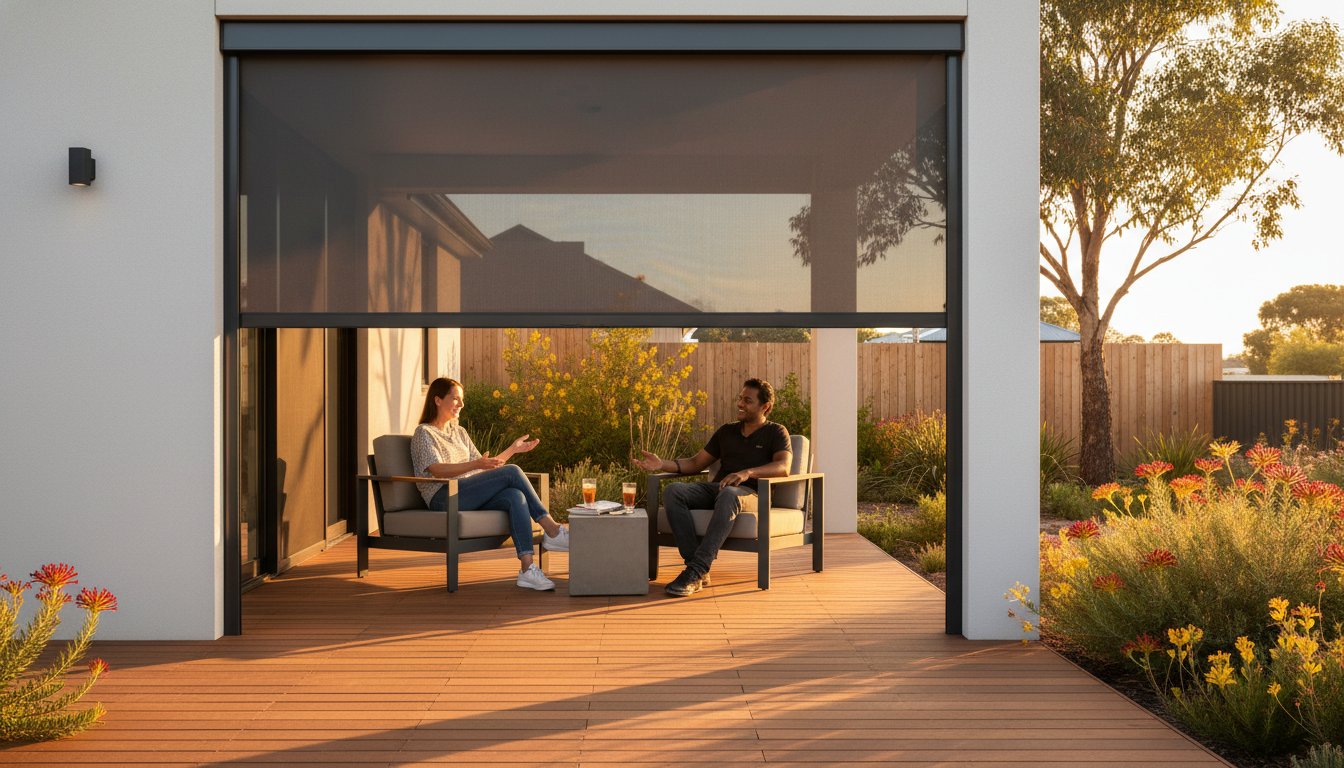
The Australian backyard has undergone a massive transformation recently. We no longer settle for a simple patio; we want an “outdoor room” that feels like a natural extension of our lounge. In this shift toward seamless living, the debate of zipscreen vs ziptrak has become the focal point for homeowners looking to upgrade. While a standard window covering might work for your bedroom, your alfresco area demands something much tougher. Track-guided blinds are the modern answer to the age-old problem of the “gap.”
Traditional straight-drop blinds often leave several centimetres of space between the fabric and your house posts. This might not seem like much until a gust of wind sends the fabric flapping or a swarm of mosquitoes finds its way into your dinner party. Track-guided systems solve this by locking the fabric into side channels, creating a complete seal. Whether you choose the South Australian heritage of Ziptrak or the precision engineering of Zipscreen by Acmeda, you’re investing in a system that turns a breezy porch into a solid, protected sanctuary. By 2026, the clunky crank-handle styles of the past have mostly vanished, replaced by these sleek, integrated designs that look like part of your home’s architecture.
The Rise of the “Outdoor Room”
Think about how often you avoid your patio because it’s too hot or too windy. Track-guided blinds change that dynamic instantly. They act as a barrier against the harsh Australian sun, rain, and those persistent summer insects. Beyond just comfort, there’s a real financial benefit too. By shading your glass doors and windows with a high-quality external blind, you can significantly reduce the heat entering your home. This thermal protection means your air conditioner doesn’t have to work nearly as hard, which is a big win for your power bill. It’s about creating a space you can actually use 365 days a year, regardless of what the weather is doing outside, and for those who want to ensure their pets are also safe from the glare, specialized gear from sunnydogandco.com.au is a perfect addition to your new outdoor room.
To achieve this level of comfort, you might also explore Aluminium Pergola options that provide a durable and modern structural foundation for your outdoor blind installation.
Common Features of Both Systems
While we’ll dive into the technical differences soon, it’s helpful to know what both systems share. Both Zipscreen and Ziptrak use vertical side channels to secure the blind fabric, ensuring it stays taut and rattle-free. You aren’t limited to one way of moving them either. Both systems offer smooth, manual spring-loaded operation or the luxury of motorisation. They also work beautifully with premium shade meshes. Whether you want a Sunscreen mesh to keep the view while blocking 95% of UV rays, or a total Blockout fabric for maximum privacy, both systems deliver a high-end finish that elevates your outdoor living space.
The Technical Breakdown: Zip vs. Keder Technology
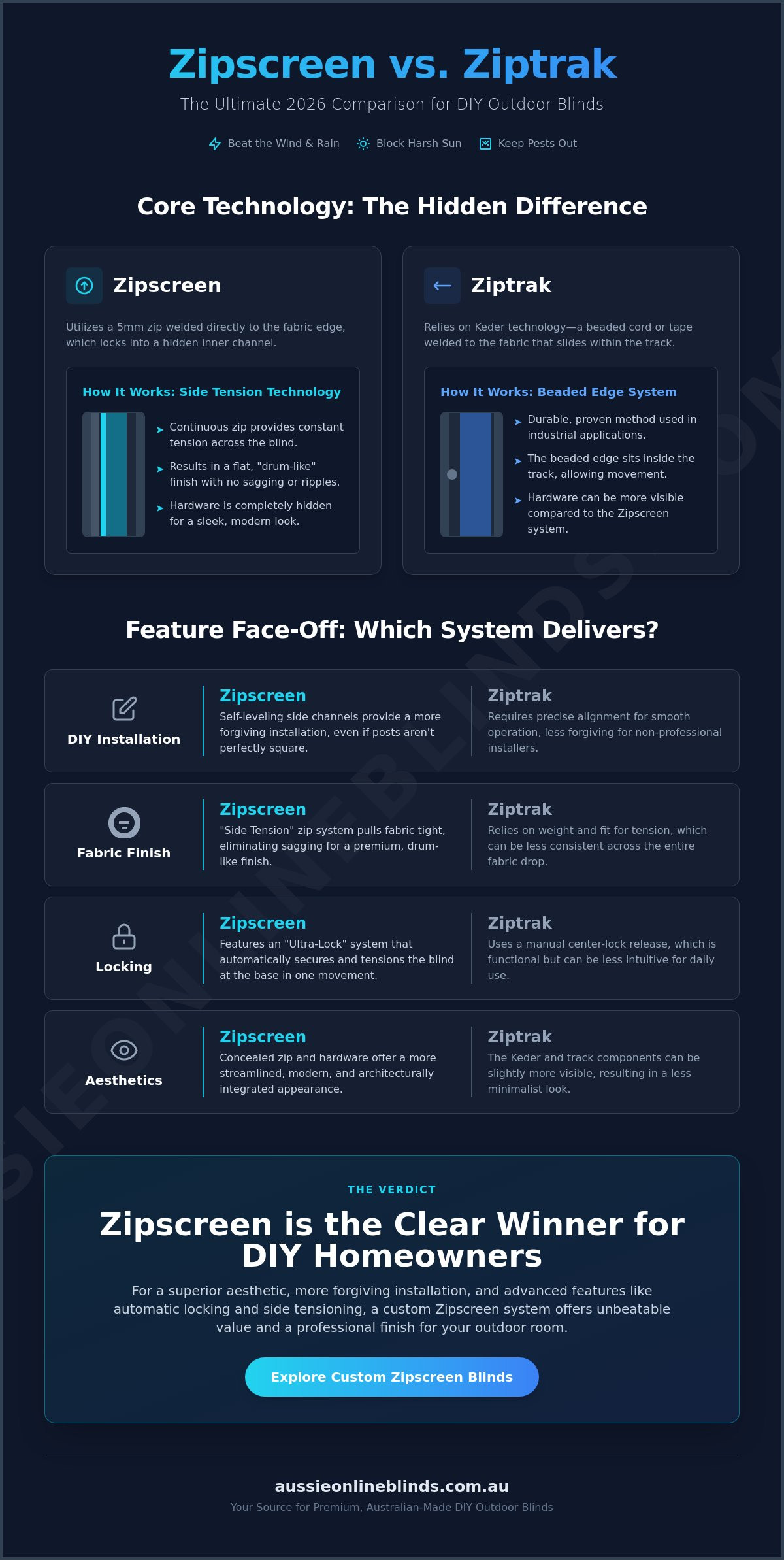
When you’re weighing up zipscreen vs ziptrak, the biggest difference is actually hidden inside those side tracks. Zipscreen uses a clever “zip” system where a 5mm zip is welded directly to the edge of the fabric. This zip then slides into a hidden inner channel, locking the fabric securely in place from top to bottom. Because the zip is continuous, it allows for “Side Tension” technology. This pulls the fabric tight and eliminates sagging or rippling, resulting in a remarkably flat, drum-like finish that looks incredibly professional on any patio.
On the other hand, Ziptrak relies on Keder technology. This involves a beaded edge or cordura tape welded to the blind material. While this is a proven method in industrial settings, it functions a bit differently than a zip. The Keder bead sits inside the track, allowing the blind to move up and down. While it’s great for durability, many homeowners find that Zipscreen offers a slightly more modern, streamlined appearance because the hardware is less visible and the fabric stays under more consistent tension across the entire drop.
Side Channel Mechanics and Wind Resistance
Australian conditions aren’t exactly gentle, so wind resistance is a top priority for any DIY project. Zipscreen’s side tensioning is specifically designed to keep the fabric from blowing out of its tracks during a sudden southerly buster. We always recommend choosing UV-stable zips to ensure the system doesn’t become brittle after years in the harsh sun. The modern Zipscreen hardware also includes a clever Ultra-Lock feature that automatically secures and tensions the blind at the bottom of the track with a single movement. If you’re looking for a system that stays quiet and secure, exploring our range of Zipscreen outdoor blinds is a great place to start your journey.
Aesthetic Comparison: Hardware and Finishes
The visual impact of your blinds depends heavily on the headbox and side tracks. Zipscreen components are generally slimmer and more architectural, making them a favourite for modern homes with clean lines. You can choose between a contemporary square headbox or a softer round profile to match your eaves. Ziptrak components tend to be slightly bulkier, which might be a factor if you have limited space for installation. To ensure a seamless look, both systems can be powder-coated to match standard Colorbond steel colours. This lets you coordinate your new blinds perfectly with your existing gutters or roof for a truly bespoke finish.
Ease of Use and Durability: Comparing Daily Operation
How a blind feels in your hand every morning matters just as much as how it looks. When comparing zipscreen vs ziptrak, the manual operation experience is a common talking point. Ziptrak is well known for its centre-release mechanism, which allows you to unlock and move the blind using a single handle in the middle of the bottom rail. It’s a clever design that works well for many. However, Zipscreen has closed the gap with its advanced spring-tensioning and the Ultra-Lock system. Instead of a central handle, Zipscreen uses a sleek weight bar. You simply pull it down to lock it or give it a slight tug to release. It feels balanced and light, even on wider spans.
Durability is another area where these two systems go head-to-head. Both are built to handle the Australian sun, but their internal components differ slightly. Zipscreen’s zip technology ensures the fabric stays under constant side tension, which prevents the “rattle” that can plague lower-quality blinds in the wind. Over a 10-year period, the stainless steel and powder-coated aluminium parts in a Zipscreen system are designed to stay functional and look fresh. You won’t find yourself struggling with a stuck blind as long as you perform basic upkeep. It’s a robust solution for homeowners who want reliability without the fuss.
Manual vs. Motorised: What Suits Your Lifestyle?
If you have a large patio with multiple spans, walking around to manually lift every blind can become a chore. This is where motorised outdoor blinds really shine. Modern Zipscreen motors can be fully integrated with smart home systems like Google Home or Alexa. You can set schedules so your blinds lower automatically as the sun hits the deck. One of the best features of 2026 motor technology is obstacle detection. If the blind senses a chair or a toy in its path, it stops immediately. This prevents the fabric from bunching up and protects your investment from accidental damage. Beyond the convenience, these external shades are a proven way to reduce solar heat gain, keeping your alfresco area much cooler during a January heatwave.
Maintenance and Weather Performance
Living near the coast means dealing with salt spray, which can be brutal on outdoor hardware. Zipscreen is engineered with this in mind, using materials that resist corrosion and pitting. To keep things running smoothly, we recommend a simple maintenance routine. A quick wipe down of the side tracks to remove dust and a light application of silicone spray once or twice a year is usually all it takes. This ensures the zip continues to glide without friction. If you’re curious about the best ways to keep your system in top shape, our comprehensive guide on blind maintenance covers everything you need to know about protecting your outdoor living space for the long haul. A little care goes a long way in ensuring your blinds perform perfectly for years.
The DIY Factor: Which System is Easier to Install Yourself?
Many big retailers try to build “installation anxiety” by suggesting that track-guided systems are too complex for a homeowner to handle. They’ll often push expensive professional services, claiming that the precision required is beyond a standard DIY skill set. We disagree. While the zipscreen vs ziptrak debate often focuses on technical specs, the real winner for a DIY project is the system that forgives a less-than-perfect patio. Most Australian homes have posts that aren’t perfectly plumb or floors that slightly slope. This is where Zipscreen takes the lead. Its side channels feature a “self-leveling” inner track that can be adjusted to compensate for out-of-square openings, making it much easier to achieve a professional finish without hiring a contractor.
You should also consider the physical handling of the units. These blinds are built tough, which means they have some weight to them, especially if you’re covering a wide span. While one person can manage the measuring and the channel mounting, you’ll definitely want a mate to help you lift the headbox into position. Before you place your order, remember our “Double Check” rule. Because these are custom-made to your exact millimetre specifications, there’s no room for guesswork. Taking an extra five minutes to verify your numbers is the best way to ensure your installation day goes smoothly.
Measuring for Success: The Confidence Framework
Precision is your best friend when ordering track-guided blinds. Unlike a standard straight-drop blind that can hang slightly loose, these systems must fit snugly within their tracks. We recommend the “Three-Point Measurement” technique: measure the width and height at the top, middle, and bottom of your opening. Always use the smallest width measurement to ensure the tracks fit between your posts. If you’re feeling unsure, our detailed guide on how to measure for blinds online provides a step-by-step tutorial to help you get it right the first time.
The Installation Process: Tools and Time
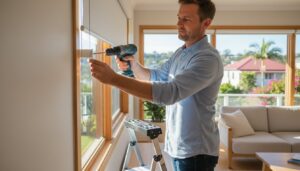
You don’t need a shed full of specialised equipment to get the job done. A quality cordless drill, a spirit level, a tape measure, and a ladder are usually all that’s required. Choosing diy blinds is easily the most effective way to save thousands of A$ on your outdoor renovation, as you aren’t paying for a technician’s time and travel. The most common pitfall is rushing the side-channel mounting. Ensure your tracks are perfectly vertical using your level, even if your posts look straight to the naked eye. If you’re ready to transform your patio and save on costs, explore our custom Blinds Online to find the right system for your home.
The Verdict: Why Custom Zipscreens Win for DIY Homeowners
After weighing up every technical detail and installation hurdle in the zipscreen vs ziptrak debate, the choice for the modern Australian DIYer is clear. While both systems offer excellent weather protection, Zipscreen’s architectural finish and self-leveling side channels provide a level of flexibility that is hard to beat. It’s designed to look like a permanent part of your home’s structure rather than an afterthought. By choosing zipscreen outdoor blinds, you’re opting for a system that balances high-end style with a straightforward installation process that doesn’t require a professional’s price tag.
We’ve seen how the hidden zip technology creates a tighter, flatter fabric finish that simply looks superior in a contemporary alfresco setting. It’s about more than just aesthetics; it’s about the confidence that comes with a system engineered to handle our unique conditions without rattling or failing. When you handle the project yourself, you aren’t just saving money. You’re ensuring the job is done to your own high standards with a product that’s built to last. If you’re also considering other ways to block the sun before it reaches your home, our guide on roller shades outdoor explains how external shading solutions can stop up to 90% of solar heat before it even enters your living space.
Quality and Warranty
One of the biggest advantages of our range is the peace of mind that comes with local manufacturing. When you invest in our custom-manufactured hardware, you’re getting components specifically engineered to withstand the intense UV levels and heat that define the Australian climate. We provide a 3-year warranty on our hardware because we believe in the durability of our materials. We’re a family-owned Australian business with our roots in Brisbane, which means you have access to expert support from people who actually know the product. You aren’t just a number in a system; you’re a neighbor we’re proud to help.
Ready to Transform Your Patio?
Getting started on your outdoor renovation is easier than you might think. Our online configuration tool takes the mystery out of the ordering process by providing an instant quote based on your specific measurements. You can customize every detail, from the fabric color to the headbox style, ensuring the final result is exactly what you envisioned. The simplicity of our system extends across our entire range. Whether you need heavy-duty outdoor tracks or want to buy roller blinds online australia for your indoor spaces, the process is designed to be transparent and stress-free.
The best way to ensure you’re happy with your choice is to see the materials in person. Start your project today by ordering a free fabric sample. It’s the perfect first step toward creating that sleek, bug-free outdoor room you’ve been dreaming of. You have the tools, the guide, and our full support to do it yourself with total confidence.
Ready to Claim Your Perfect Outdoor Space?
Transforming your patio into a functional “outdoor room” is one of the best investments you can make for your Australian home. While the zipscreen vs ziptrak debate has many layers, the choice often comes down to your specific project needs. We’ve seen how Zipscreen offers a sleeker architectural finish and provides a more forgiving installation process thanks to its self-leveling side channels. By handling the measurements and mounting yourself, you’re cutting out the middleman and keeping those hard-earned savings in your pocket.
As a family-owned Australian business, we’re here to support you throughout your project journey. Every one of our custom-made blinds is backed by a 3-year warranty, and we provide nationwide shipping for all our DIY kits to make the process as simple as possible. You have the knowledge and the tools; now it’s time to take action.
Browse our custom Zipscreen range and start your DIY transformation today. We can’t wait to help you transform your alfresco area into a year-round sanctuary you’ll love for years.
Frequently Asked Questions
Is Zipscreen or Ziptrak better for high-wind areas?
Zipscreen is often preferred for high-wind areas due to the continuous zip that locks the fabric into the side channel. This technology prevents the fabric from pulling out of the track during heavy gusts, unlike some beaded systems. Both are engineered for Australian conditions, but the consistent side tension of Zipscreen provides extra peace of mind during a storm.
Can I install Zipscreen blinds on a timber pergola?
You can definitely install Zipscreen blinds on a timber pergola as long as the structure is solid and plumb. You’ll simply need to use appropriate timber screws rather than the masonry fixings used for brick or concrete. It’s a popular way to turn a basic timber structure into a fully enclosed outdoor room that stays cool and private.
How much can I save by installing my own outdoor blinds DIY?
Homeowners typically save between A$250 and A$600 per blind unit by choosing the DIY route instead of professional installation. When you factor in the lower price of buying direct from an online manufacturer, the total savings for a full patio can easily reach several thousand A$. It’s a great way to get a premium product on a realistic budget.
Are track-guided blinds effective at keeping out mosquitoes and flies?
Track-guided blinds are incredibly effective at keeping out pests because they eliminate the gaps found in traditional blinds. Because the fabric is locked into the side channels and sits tight against the bottom, mosquitoes, flies, and even large moths can’t find a way in. It’s the ultimate solution for enjoying a summer dinner without being eaten alive.
Do I need an electrician for motorised outdoor blinds?
What is the maximum width a Zipscreen blind can cover?
A standard Zipscreen blind can cover a maximum width of 5.8 meters. If your opening is even larger, the Zipscreen Extreme model can span up to 7 meters wide. This makes it a fantastic choice for modern Australian homes with wide, open-plan alfresco areas that require a single, seamless blind without extra support posts.
How do I know if my patio is too “out of square” for a track system?
You can check this by measuring the width and height at three different points: the top, middle, and bottom. If the difference between these measurements is less than 15mm, Zipscreen’s self-leveling side channels can usually handle the deviation. If the gap is larger, you might need to use a U-channel or build out the post before installing your zipscreen vs ziptrak system.
What is the typical delivery time for custom-made outdoor blinds in Australia?
The typical delivery time for custom-manufactured outdoor blinds in Australia is usually between two and four weeks. Because each blind is made to your exact millimetre specifications in our local facility, this timeframe allows for precision engineering and quality testing. We ship our DIY kits nationwide so you can start your backyard transformation as soon as possible.