

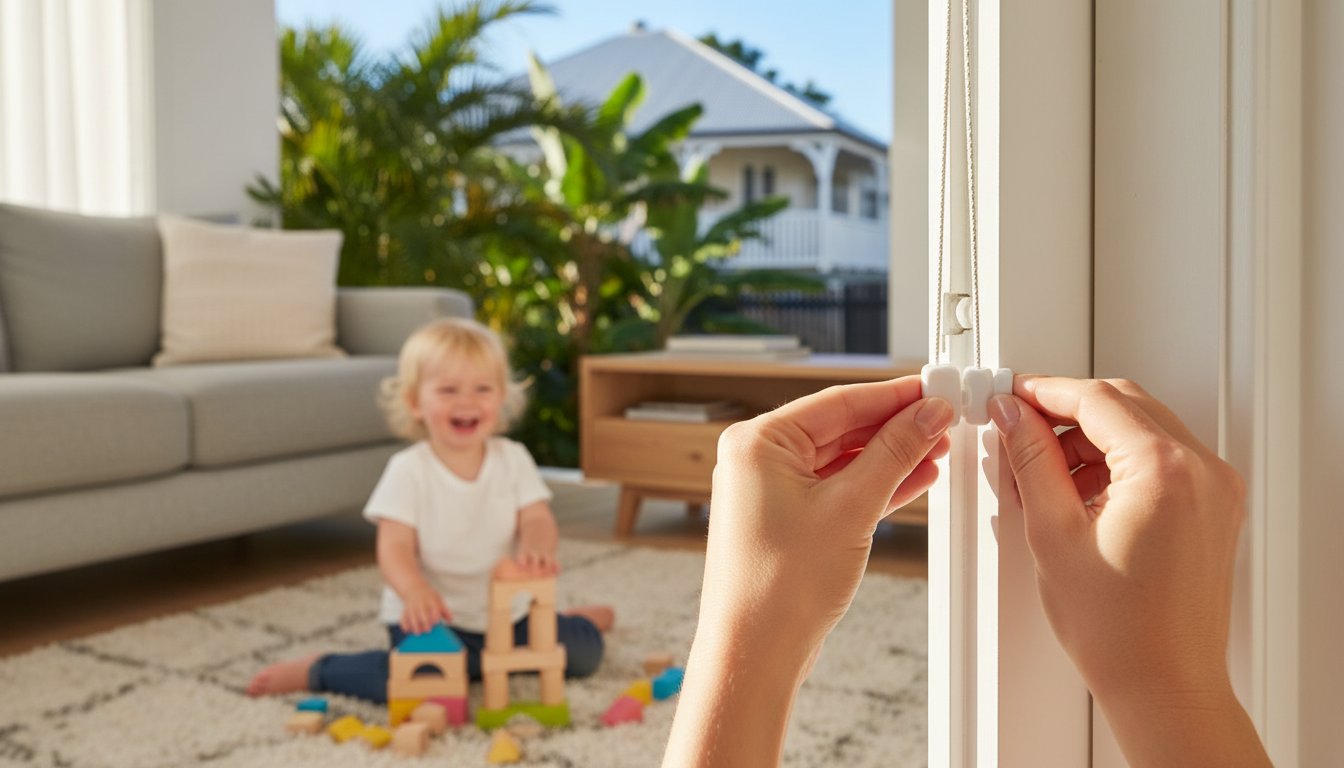
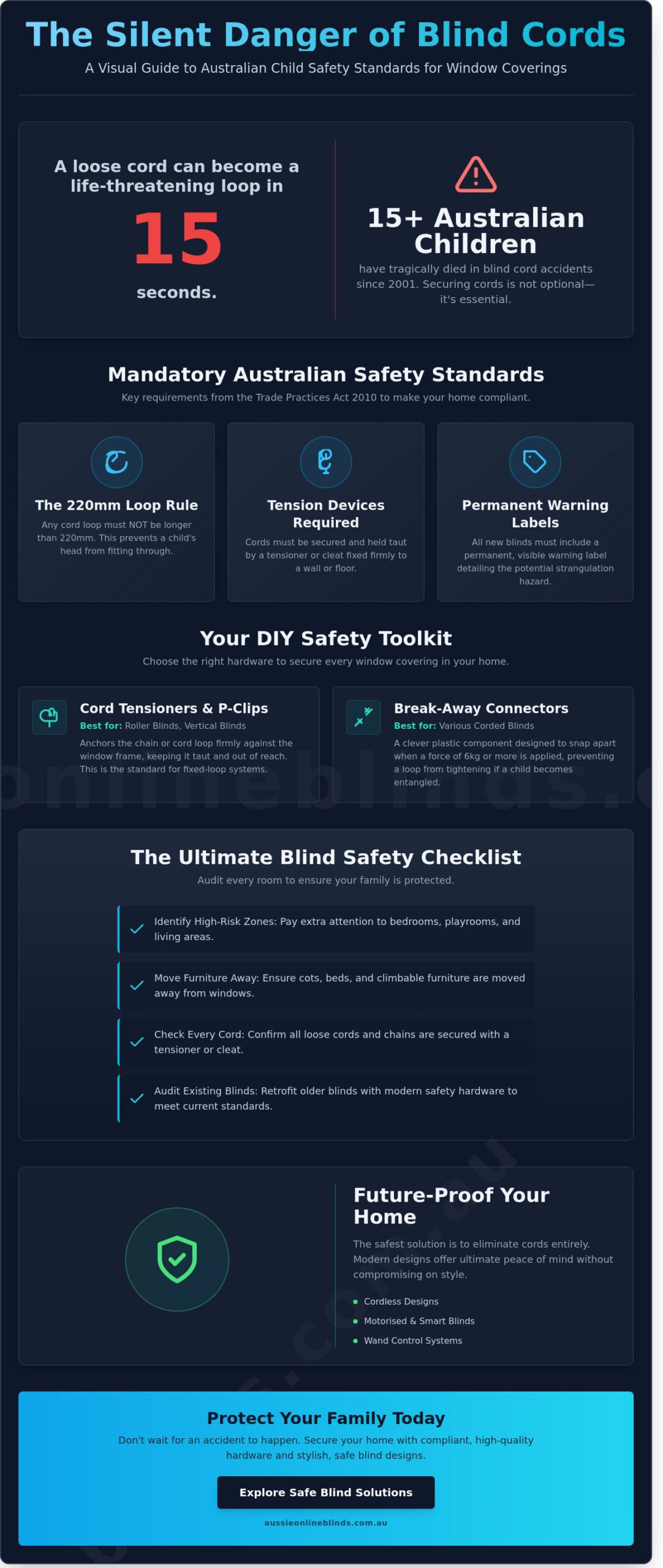
Did you know that a loose blind cord can become a life-threatening loop in less than 15 seconds? According to Product Safety Australia, at least 15 Australian children have died due to blind cord accidents since 2001, making the correct installation of blind child safety devices a top priority for every local household. You want your home to be a sanctuary for your family, but the complex Australian safety regulations often feel more like a puzzle than a protection plan.
We understand that the fear of a hidden danger is stressful, and trying to figure out which tensioner or cleat goes where shouldn’t be a guessing game. This guide simplifies the process by showing you exactly how to meet current Australian standards with high-quality hardware and our signature DIY spirit. You’ll learn which tools you need, how to install safety clips correctly, and how to verify that every room in your house is 100% compliant. We’ve put together a clear hardware checklist and a step-by-step installation plan so you don’t have to worry about the technical details alone.
Key Takeaways
- Understand why complying with Australian safety standards is vital for protecting your family from the “silent danger” of loose window cords.
- Identify the most effective blind child safety devices for your home, from tensioning systems for roller blinds to cleats for venetian styles.
- Follow our room-by-room checklist to audit your existing window coverings and measure cord heights for total peace of mind.
- Master the DIY installation process with our straightforward guide on marking tension points and retrofitting safety hardware like a pro.
- Future-proof your living spaces by exploring cordless designs and motorised blinds that eliminate hazards while upgrading your home’s style.
Why Blind Child Safety Devices are Essential for Australian Homes
At Aussie Online Blinds, we believe your home should be a sanctuary. For families with little ones, that means looking closely at every window. Blind child safety devices are essential hardware components, such as cleats, tensioners, and shrouds, designed specifically to eliminate loose loops and accessible cords. These small additions play a massive role in preventing accidents. They transform a potential hazard into a secure fixture.
Unsecured cords are often called a “silent danger” because they don’t make a sound when a mishap occurs. Data from the Australian Competition and Consumer Commission (ACCC) shows that at least 18 Australian children died due to strangulation from blind cords between 2001 and 2021. As we look toward the 2026 safety landscape, homeowners and landlords face stricter expectations to ensure every room is compliant. It’s not just about meeting a rule; it’s about peace of mind. You can take charge of this today through simple DIY installations that make your home significantly safer without needing a professional installer.
The Mechanics of Cord Hazards
A loose cord or a loop longer than 220mm can become a noose in seconds. Children often use furniture to reach higher spots, meaning even cords you think are “out of reach” pose a threat. The history of window blind safety shows that most accidents happen in “high-risk” zones like bedrooms and play areas. If a cot or bed is placed near a window, a child can easily become entangled while playing or sleeping. We recommend moving furniture away from windows and using blind child safety devices to secure every trailing string. It’s a quick fix that saves lives.
Australian Safety Standards (Trade Practices Act)
Australia has some of the world’s toughest regulations for internal window coverings. Under the Trade Practices (Consumer Product Safety Standard – Corded Internal Window Coverings) Regulations 2010, all new blinds must meet specific criteria. These rules apply to everyone, including DIY renovators and landlords. Key requirements include:
- The 220mm Rule: Any loop must not exceed 220mm in length when a 70N tension force is applied.
- Tension Devices: Cords must be held taut by a device that is fixed to the wall or floor.
- Warning Labels: Every new installation must feature permanent warning labels that remain visible to the user.
These labels remind everyone of the potential hazards, ensuring safety remains a priority for the next tenant or homeowner. Keeping your home up to date with these standards isn’t a legal chore; it’s a vital step in protecting the people you love most. To ensure your home safety systems are well-organised and clearly marked, you can check out DymoOnline for durable labelling solutions. By choosing blind child safety devices that meet these Australian benchmarks, you’re ensuring your home is both stylish and secure for years to come.
Types of Safety Devices: Choosing the Right Protection
Selecting the right gear for your windows isn’t just a design choice; it’s a vital safety measure for your family. Since the introduction of tighter trade practices regulations in 2010, the industry has shifted toward hardware that actively prevents accidents. Modern blind child safety devices are engineered to eliminate the risks associated with loose loops and long cords. Whether you’re retrofitting old blinds or installing new ones, understanding how these components function ensures your home meets the current safety benchmarks.
Break-away connectors offer a clever solution for many households. These small plastic components are designed to snap apart when they’re subjected to a force of 6kg or more. This prevents a loop from tightening if a child becomes entangled. For those looking to remove cords entirely, modern wands and cord shrouds provide a sleek, minimalist alternative. These systems encase the internal lift cords or replace them with a solid control rod, making them a premium choice for high-traffic areas like lounge rooms or nurseries.
Cord Tensioners and P-Clips
Tensioning devices are the preferred standard for fixed-loop roller blinds and vertical blinds. A P-clip or tensioner works by anchoring the chain or cord firmly against the window frame or wall. This keeps the loop taut, preventing it from hanging loose where it could become a hazard. When you’re fitting these, you need to follow the Australian mandatory safety standards to ensure your home remains compliant and secure.
You can choose between clear plastic tensioners for a subtle look or heavy-duty metal versions for high-use areas. The key to effectiveness is the installation height. Every tensioner must be installed at least 1600mm above the floor level to keep the chain well out of reach of little hands. It’s a straightforward DIY task that makes a massive difference in the safety profile of your room.
Cleats and Cord Tidies
For Venetian and Roman blinds that use long, traditional cords, safety cleats are your best friend. These devices allow you to wrap excess cord in a figure-eight pattern, keeping it high and tight against the architrave. If your blinds have particularly long cords, using two cleats spaced 200mm apart is a smart move. This allows you to manage the bulk more effectively without creating a large, messy bundle of string.
Maintaining a clean look is easy when you’re integrating replacement chain joiners into your setup. These small parts help you repair or adjust your chains so they sit perfectly within your tensioning devices. It’s all about creating a seamless finish that doesn’t compromise on durability. If you’re looking to refresh your window coverings with safety in mind, explore our range of custom-made blinds that come with all the necessary safety hardware included as standard.
The Ultimate Blind Safety Checklist: A Room-by-Room Audit
Keeping your home secure for little ones is a priority every Australian parent shares. Taking a proactive approach with this room-by-room audit helps you identify risks before they become hazards. Grab a tape measure and a notepad to work through these five essential steps for your blind child safety devices.
- Step 1: Inspect every window. Look for any loose, hanging, or looped cords. A loop as small as 220mm can pose a significant risk to a crawling infant or a curious toddler.
- Step 2: Measure the height. Ensure all cords and chains end at least 1600mm above the floor level. This is the gold standard for safety, keeping controls well out of reach of small hands.
- Step 3: Check furniture placement. Examine the area around your windows for chairs, tables, or bookshelves. Children often use these as climbing frames to reach cords that would otherwise be out of sight.
- Step 4: Verify safety labels. Check that your blinds still have their original warning labels attached. Australian regulations require these to be visible to alert any guests or future residents of the potential risks.
- Step 5: Test tension devices. Give your cord tensioners a firm tug. They should be securely mounted to the wall or window frame and shouldn’t move or wobble under pressure.
Bedroom and Nursery Safety Focus
The nursery is where your child spends the most time unsupervised, so it needs the strictest standards. Always move cots and beds to the opposite side of the room from any window. If you’re using roller blinds, installing permanent tensioners is a non-negotiable step to keep chains taut against the wall. For the ultimate peace of mind, cordless options are the best choice for children’s rooms. Eliminating the cord entirely removes the hazard and creates a modern, clean look that’s incredibly easy to operate. You’ll sleep better knowing the room is as safe as it can be.
Living Areas and High-Traffic Zones
In large open-plan spaces, you often have multiple blinds to manage at once. Consistency is key here. Ensure every single blind child safety device is installed correctly, even on the windows you rarely open. These safety measures shouldn’t interfere with your regular blind maintenance. In fact, a well-secured tensioner makes cleaning easier by keeping the chain out of your way while you wipe down the fabric. If you have guests or older children visiting, take a moment to explain why these devices must remain fixed. It’s a simple conversation that ensures your premium window coverings stay safe for everyone who walks through your front door.
DIY Installation: How to Retrofit Safety Devices
Taking the safety of your home into your own hands is a rewarding project that doesn’t require a trade certificate. Most blind child safety devices can be installed in under 15 minutes with a few basic tools you likely already have in the shed. You’ll need a power drill, a Phillips head screwdriver, and a spirit level to ensure everything sits straight. Before you start drilling, hold the tension device against the window reveal or architrave to mark your pilot holes. It’s vital to position the device at a height that keeps the cord taut but still allows the blind to operate without straining the internal mechanism.
When securing the device, choose your fasteners based on the frame material. Timber frames are forgiving; however, if you’re mounting into aluminum or masonry, you’ll need specialized bits and plugs to prevent the frame from cracking or the screws from pulling out. Once the bracket is firm, do a “pull test” by applying moderate downward pressure. If the device stays put and the cord doesn’t form a loop larger than 220mm, you’ve successfully met the Australian safety benchmarks established in 2010.
Retrofitting Older Blinds
If your home features older window coverings, you don’t necessarily need to buy whole new units. You can easily update your hardware using replacement blind brackets that are compatible with modern safety tensioners. For cords that are dangerously long, consider trimming them and installing a new break-away tassel. If the cord system feels too clunky, upgrading to a wand control or a battery-powered motorisation kit is a smart move that removes the risk entirely while adding a touch of modern luxury to your living space.
Common DIY Installation Mistakes
The most frequent error we see is installing tensioners too loosely. If a child can still wrap the cord around their neck, the device isn’t doing its job. Another slip-up involves using standard timber screws for metal frames, which leads to the device wobbling over time. Finally, don’t skip the spirit level. A crooked tensioner causes the cord to rub unevenly, which leads to fraying and eventual snap-back. Check your work by running the blind up and down three times; it should feel smooth and secure every single time.
Ready to secure your home with premium, Australian-standard hardware? Shop our range of durable safety components today.
Future-Proofing Your Home with Safe Blind Designs
We believe your home should be a sanctuary. That’s why we focus on designs that combine effortless style with absolute peace of mind. While retrofitting existing window coverings with blind child safety devices is a vital step for many families, choosing cordless designs from the outset is the most effective way to eliminate risks. In 2026, the Australian market has moved toward cleaner, safer technology as the default choice for modern renovations.
High-quality indoor roller blinds now feature engineering that makes cords completely unnecessary. Motorisation is the ultimate safety upgrade. It’s no longer a luxury feature for elite homes. By using a quiet internal motor, you remove every single cord hazard from the room. This creates a space where kids can play freely without you having to worry about what’s hanging by the window. Our factory-direct model ensures that these safety features are built into the product during manufacturing, rather than being added as an afterthought.
Our commitment to Australian family safety is reflected in every product we ship. We adhere strictly to the Competition and Consumer (Blind and Curtain Cords) Safety Standard, ensuring our custom-made solutions provide better safety integration than generic off-the-shelf options. This professional approach gives you a durable, premium finish that protects your most precious cargo.
Transitioning to Cordless Solutions
Moving away from traditional chains is a simple way to elevate your home’s look and safety. Spring-loaded mechanisms allow you to adjust your blinds with a gentle touch to the bottom rail. Wand-operated systems are another fantastic choice, providing a rigid control that doesn’t loop or dangle. These options have become the gold standard for diy blinds. You’ll enjoy a minimalist finish that makes your windows look larger while providing the highest level of protection for your children.
Ordering Safety-First Blinds Online
We’re committed to making the ordering process as straightforward as possible. When you choose Aussie Online Blinds, you’re choosing a partner that understands Australian safety regulations inside and out. Every DIY kit we supply includes all the necessary hardware to keep your installation compliant and secure. If you have unique window layouts or aren’t sure which blind child safety devices are right for your specific needs, our expert team is just a phone call or message away. We take pride in helping Australian families create homes that are stylish, affordable, and, most importantly, safe.
Secure Your Australian Home for 2026
As a family-owned Australian business, we take your safety seriously. Every one of our products meets mandatory AU safety standards, and we include easy-to-follow DIY installation guides to make the process straightforward. You don’t need to be a professional tradie to achieve a premium, safe result in your own home. We’ve designed our range to be both beautiful and durable, ensuring your window furnishings stand the test of time.
Browse our range of safe, custom-made blinds today
We’re ready to help you transform your home into a safe, elegant space you can be proud of.
Frequently Asked Questions
Do I legally need blind safety devices in my own home?
Yes, you must legally have safety devices installed for all internal window coverings with cords or chains under the Competition and Consumer Safety Standard 2014. This Australian regulation applies to every home, whether you own it or rent it. Since 2014, any blind cord that could form a loop must be secured to a fixed surface. Keeping your family safe is the priority, and these laws ensure every household meets the same protection levels.
How high should blind safety cleats be installed?
You should install blind safety cleats at least 1600mm above the floor level to keep them out of reach. This specific height ensures that toddlers and young children can’t grab the cords, even if they stand on furniture. When you’re mounting the cleat, make sure it’s firmly fixed to the wall or window frame with screws so it can’t be pulled loose. It’s a simple DIY task that provides immediate peace of mind.
Can I make my old blinds safe without buying new ones?
You can definitely make older blinds safer by retrofitting them with modern blind child safety devices. You don’t need to replace the entire unit; just install a cord tensioning device or a sturdy safety cleat to secure loose loops. These affordable kits are available through our Australian factory and are easy to install yourself. It’s a practical way to update your home’s safety without the cost of a full renovation.
What is the maximum length a blind cord can safely be?
Australian regulations state that a loose cord or chain must not hang lower than 1600mm from the floor to prevent entanglement. If a cord forms a loop, that loop must be less than 220mm long when a 70N tension force is applied. By keeping cords short and secured with blind child safety devices, you eliminate the risk of a child getting caught. It’s an essential check for every room in your house.
Are cordless blinds really 100% safe for kids?
Cordless blinds are widely considered the safest choice because they completely remove the primary hazard, which is the cord itself. Without any dangling strings or loops, there’s nothing for a child to get tangled in or pull down. While no product is entirely risk-free if used incorrectly, choosing cordless options is the best way to design a child-friendly home. They offer a modern look while providing the highest level of protection available.
What should I do if my rental property has unsafe blind cords?
You should contact your landlord or property manager immediately if you find unsafe blind cords in your rental. In Australia, rental providers are legally required to ensure the property meets basic safety standards, including secure window coverings. Most states, like Victoria under the 2021 rental reforms, specifically list blind safety as a mandatory requirement. It’s their responsibility to arrange the installation of proper safety devices to keep the home compliant.
If you are looking for a rental or a new home in Central Victoria that already meets these safety standards, you can visit Ollie James Real Estate to explore their current listings.
How do I install a tension device on a metal window frame?
To install a tension device on a metal frame, you’ll need to use a 2mm or 3mm metal drill bit to create a pilot hole first. Once the hole is ready, secure the device using stainless steel self-tapping screws for a firm hold. This ensures the device won’t wobble or pull out over time. It’s a straightforward DIY job that works perfectly on modern Australian aluminium window frames without damaging the structural integrity.
Are there specific safety devices for Roman blinds?
Roman blinds require specific safety devices like cord shrouds or break-away toggles to manage the exposed rear cords. These devices ensure that the inner strings don’t form dangerous loops when the blind is raised or lowered. Since 2014, Australian manufacturers have integrated these features into the design of custom-made Romans. If you have older styles, you can buy rear-cord safety clips to bring your window furnishings up to current national standards.