
The most effective way to cool your home isn’t by cranking up the air conditioner; it’s by stopping the sun before it ever touches your window glass. Installing window blinds for outside can block up to 90% of solar heat gain, saving your interior from becoming a literal oven during an Australian summer. We’ve all felt that frustration of watching electricity bills climb while the afternoon sun relentlessly fades the living room carpet. It’s a common struggle for homeowners across the country, especially with 4.4 million properties now located in bushfire-prone areas where material durability and safety standards are more important than ever.
You deserve a home that stays comfortable without costing a fortune to run. Our expert guide is designed to demystify the process of choosing, measuring, and DIY installing exterior blinds so you can achieve a high-end result on your own terms. We’ll compare popular options like Zipscreen and Pivot Arm systems, explain how premium mesh can block 95% of UV rays, and give you the confidence to complete your project like a seasoned pro. By the end of this read, you’ll have a clear plan to transform your home into a cool, energy-efficient sanctuary that’s built to last in our harsh climate.
Key Takeaways
- Learn why stopping heat outside the glass is the secret to a cooler home and how to avoid the greenhouse effect caused by internal window coverings.
- Discover the best window blinds for outside for your home’s architecture, whether you need the sleek tension of a Zipscreen or the versatility of a Pivot Arm blind.
- Master the “Openness Factor” to balance privacy and views, including why darker fabric colors actually offer better glare reduction and clearer visibility.
- Get a practical checklist of the essential tools you’ll need to install your own custom blinds, saving you thousands in professional labor costs.
- Understand how choosing high-quality, custom-made exterior blinds adds genuine resale value and long-term durability compared to standard off-the-shelf options.
Why Window Blinds for Outside are Essential for Australian Homes
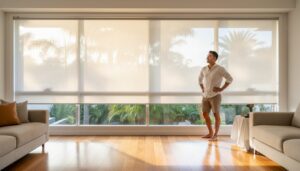
Think of window blinds for outside as a protective suit of armor for your home. Unlike traditional curtains that sit inside your room, these exterior barriers are mounted directly to the outside of your window frame. Their primary job is simple: stop the sun before it ever touches your glass. In the 2026 Australian climate, where summer temperatures continue to push boundaries, this concept of “thermal shielding” has moved from a luxury to an absolute necessity for any savvy homeowner.
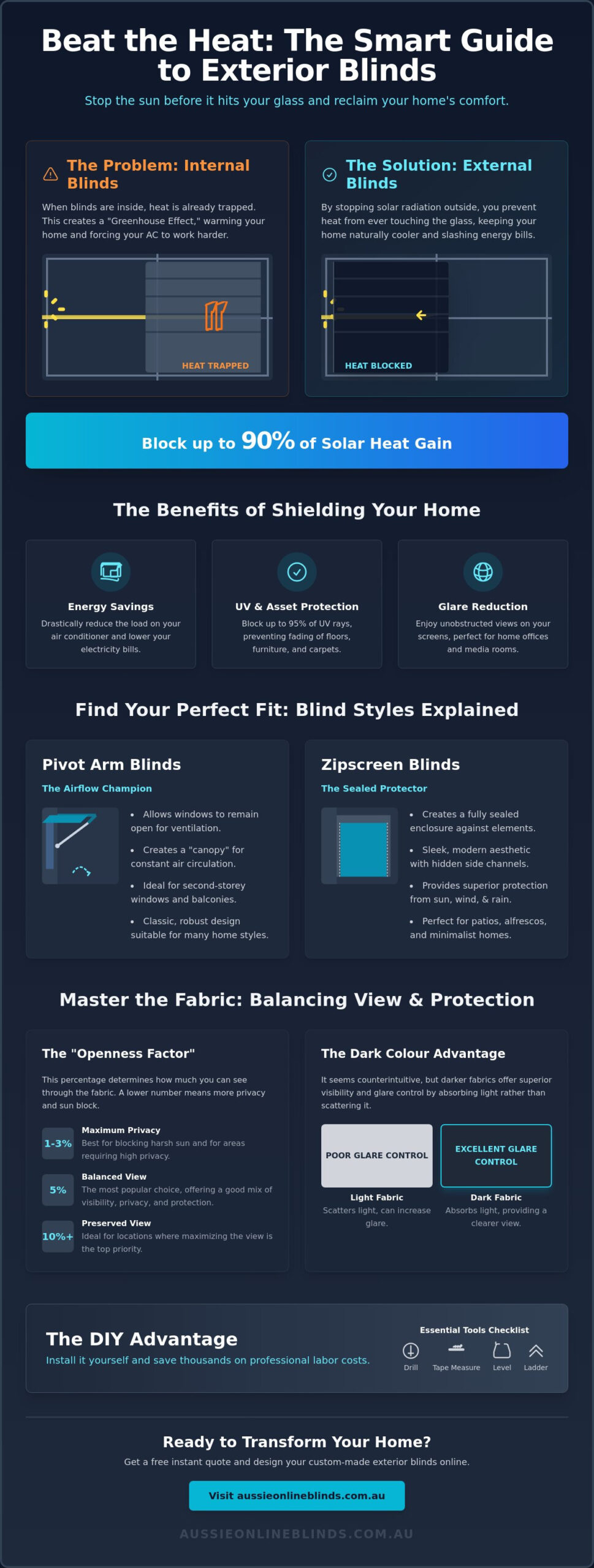
Most people don’t realize that by the time sunlight hits your internal blinds, the heat is already inside your house. This creates a “Greenhouse Effect” where thermal energy becomes trapped between the fabric and the window pane, slowly radiating into your living spaces. By installing a physical barrier on the exterior, you can reflect up to 90% of that solar radiation. This results in massive energy savings, better UV protection for your expensive flooring, and a level of daytime privacy that internal coverings just can’t match. To further enhance your home’s thermal efficiency, you can explore Ducted Air Conditioning System options that provide consistent cooling throughout your entire living space.
External vs. Internal Blinds: The Thermal Battle
The difference between internal and external shading is significant. While internal blinds might provide shade, they do very little to reduce the actual temperature of the glass. Window blinds for outside act as a first line of defense, reflecting solar rays away from the building. This drastically reduces the load on your air conditioning system, which leads to lower electricity bills and less wear on your cooling units over time. If you are researching different types of awnings and exterior shades, you’ll find that outdoor materials are specifically engineered to withstand wind and rain; indoor fabrics would perish in weeks if exposed to the same harsh elements.
Protecting Your Interior Assets
Australia’s intense UV levels are a slow-motion wrecking ball for your home’s interior. Over time, consistent sun exposure will degrade high-end carpets, bleach your hardwood floors, and cause leather furniture to crack. UV transmittance is the measurement of how much ultraviolet radiation passes through a fabric, and choosing a low-transmittance material is key to preserving your interior assets. Beyond protection, these blinds offer incredible glare reduction. This is a game-changer for home offices and media rooms where screen visibility is vital. You get to keep your view of the garden without the blinding reflection on your monitor.
Choosing the Right Style: Pivot Arm, Zipscreen, and Straight Drop Blinds
Selecting the right window blinds for outside is about more than just picking a color that matches your render. It is a functional decision that dictates how much breeze enters your home, how well your rooms are shaded, and how the system handles a gusty afternoon. In Australia, we generally categorize these into three main styles: Pivot Arm, Zipscreen, and Straight Drop. Each has a specific architectural “sweet spot” where it performs best.
Choosing the wrong style can lead to missed opportunities for airflow or a look that feels out of place with your home’s design. For instance, a modern minimalist home might lean toward the hidden tracks of a Zipscreen, while a traditional weatherboard cottage often looks stunning with the classic projection of a pivot arm. High-quality exterior shades are designed to reduce solar heat gain by significant margins, but the mechanism you choose determines how you interact with that shade every day.
Pivot Arm Blinds: The Professional Choice for Airflow
If you want to keep your windows open during a hot summer day, these are your best bet. The mechanism uses arms that project the fabric out at an angle rather than dropping it vertically. This creates a canopy effect that allows air to circulate freely behind the blind and through your open window. Many homeowners find pivot arm blinds are the perfect solution for second-storey windows where you need maximum sun protection without sacrificing a cool breeze. They are a classic Australian solution for north-facing facades that take a beating from the midday sun.
Zipscreen Blinds: The Ultimate Sealed Protection
For those who want a sleek, modern finish and total control over the elements, Zipscreen is the gold standard. These blinds use a side-track technology that effectively “zips” the fabric into the frame. This creates a complete seal, which is brilliant for keeping out pesky insects and providing superior wind resistance. It’s an incredibly durable system that feels like a permanent part of your window. You can find more detail on the specific components in our Zipscreen outdoor blinds guide, which covers why this side-channel technology is so effective for Australian conditions.
Straight Drop and Wire Guide Blinds
Straight drop blinds offer a simpler, more traditional vertical movement. They are often the most cost-effective way to shade ground-floor windows where a full side-track isn’t required. If you prefer a minimalist look without bulky frames, wire guide blinds are a fantastic alternative. These use discreet stainless steel cables to keep the blind steady as it travels up and down. While some people often debate Zipscreen vs. Ziptrak, we focus on high-quality side-channel systems that ensure your fabric stays taut and professional-looking for years. To find the perfect fit for your home’s unique layout, we suggest you explore our full range of custom outdoor blinds today.
Fabric and Material: Balancing Privacy, View, and UV Protection
Choosing the fabric for your window blinds for outside is a lot like picking the right pair of sunglasses. You need to balance how much you want to see out with how much protection you need from the glare. The most important technical term you’ll encounter is the “Openness Factor.” This is a simple percentage that tells you how tight the weave is. A 1% openness provides maximum privacy and shade, while a 10% openness offers a much clearer view of your garden but lets in more light. For most Australian homes, a 5% openness is the “Goldilocks” zone; it provides excellent heat reduction while keeping your view perfectly intact.
There is a bit of a counterintuitive secret when it comes to color choice. Darker fabrics, like charcoal or deep bronze, actually provide much better glare reduction and a clearer view of the outdoors. This is because dark colors absorb light rather than reflecting it back into your eyes. On the other hand, lighter colors like cream or white are champions at reflecting heat away from the building. If your primary goal is to follow the Australian government guide to home shading and maximize thermal reflection, lighter tones are your best friend. Whichever color you choose, ensure the fabric is UV-stabilized and treated for mould and mildew resistance to survive our humid summers and intense sun.
Sunscreen vs. Blockout Fabrics
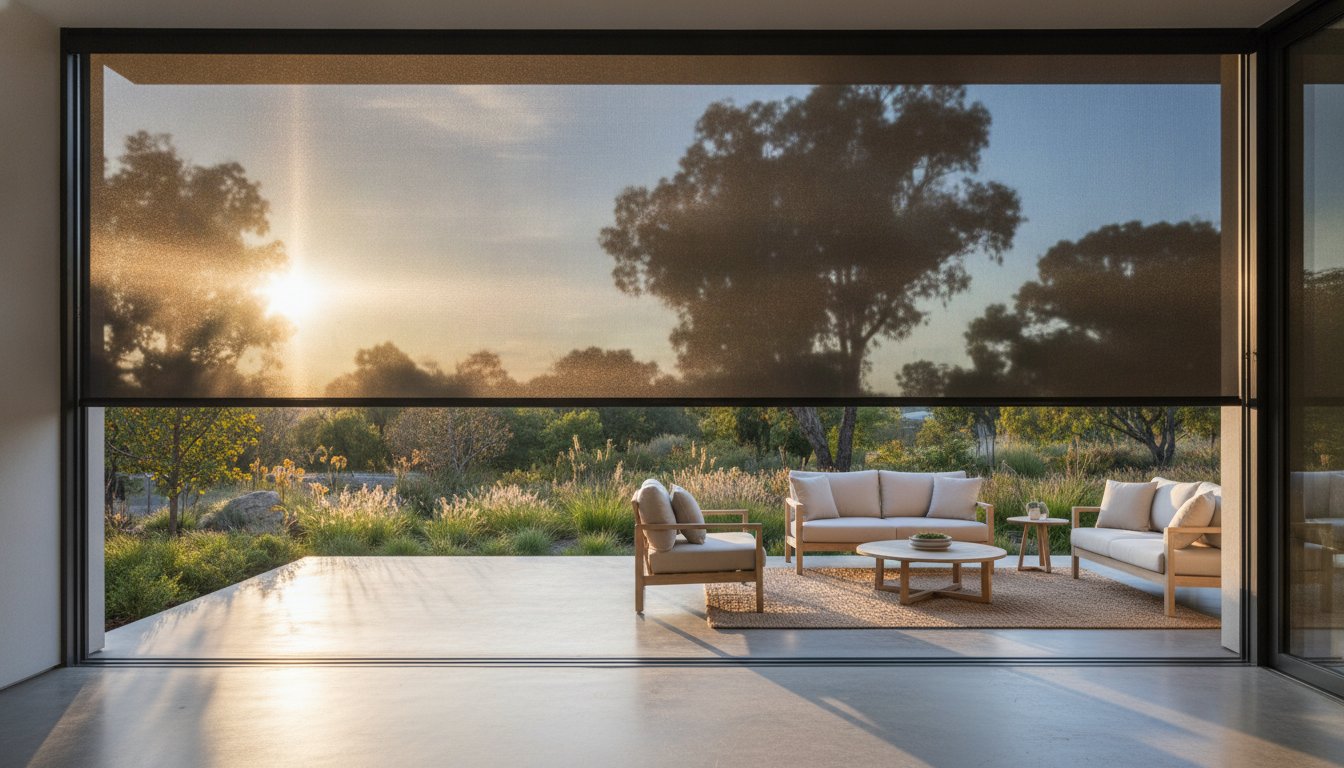
Sunscreen fabrics are the go-to choice for living areas and patios where you want to maintain a connection with the outdoors. These fabrics, usually made from PVC-coated polyester or fiberglass, block up to 95% of UV rays while allowing natural light to filter through. Blockout fabrics are different; they are completely opaque. These are ideal for west-facing bedrooms or media rooms where you need total shade and 100% privacy. Selecting the right one depends on the room’s purpose and how much “thermal shielding” you need for that specific window.
Hardware Durability: Powder-Coated Aluminium
The “bones” of your window blinds for outside matter just as much as the fabric they hold. High-quality hardware should be made from architectural-grade, powder-coated aluminium. This material is lightweight, incredibly strong, and won’t rust when the rain hits. If you live near the coast, salt spray is a constant threat, so using corrosion-resistant components like stainless steel fixings is a must for any DIY project. Investing in robust hardware ensures your blinds won’t just look good on day one, but will remain functional and rattle-free for years to come.
The DIY Advantage: Measuring and Installing Exterior Blinds
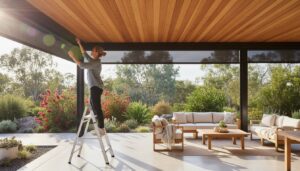
Taking the DIY route for your window blinds for outside is one of the smartest ways to upgrade your home without breaking the bank. By handling the installation yourself, you’ll save thousands in professional labor costs while ensuring your custom-made blinds are fitted exactly to your standards. Many homeowners feel a bit nervous about drilling into their home’s exterior, but with the right tools and a steady hand, it’s a straightforward weekend project. It’s about having the confidence to take control of your home improvement journey, and we’re here to make sure you have everything you need to succeed.
Before you start, gather your essential tool kit to ensure a smooth process. You’ll need a reliable hammer drill, masonry bits (specifically for brick or concrete), a spirit level, a pencil, and high-quality stainless steel fixings. Using stainless steel is non-negotiable for outdoor work. Standard zinc screws will rust and leave unsightly orange stains on your walls within a single season. Having these professional-grade tools on hand turns a daunting task into a manageable, rewarding experience.
Measuring Like a Pro
Measuring correctly is the foundation of a professional result. You first need to decide between a “Reveal Fit,” where the blind sits inside the window recess, and a “Face Fit,” where it’s mounted onto the wall or architrave. Houses often settle over time, so never assume your windows are perfectly square. Use our “Check-Measure” rule: measure the width and height at the top, middle, and bottom, then use the smallest measurement for a Reveal Fit. For a deeper dive into visual diagrams and a 5-step framework, check out our how to measure for blinds online guide.
Installation Tips for Different Surfaces
When drilling into brick, aim for the center of the brick itself rather than the mortar line. Mortar is brittle and can crumble under the weight of a heavy blind, whereas the brick provides a rock-solid anchor point. If you’re working with rendered foam or weatherboard cladding, ensure you’re using specialized wall plugs designed specifically for those materials. Always use weather-sealed screws to prevent moisture from seeping into your wall cavity, which protects the structural integrity of your home over the long term.
Common DIY Pitfalls to Avoid
Avoid the common trap of rushing the leveling process. If your blind isn’t perfectly level, the fabric will “telescope” or bunch up on one side as it rolls, which can damage the edges over time. It’s also vital to use the correct hardware; indoor screws simply won’t survive the Australian sun and rain. Always double-check for electrical wires or plumbing pipes behind your external walls before you start drilling. Once you’re ready to transform your home’s exterior, you can browse our range of DIY blinds online to find your perfect match.
Custom Exterior Blinds: Enhancing Your Home’s Value and Comfort
Choosing window blinds for outside that are custom-made is the final step in securing your home’s thermal defense. While off-the-shelf options might seem convenient, they rarely offer the millimetre-perfect fit required to stop light gaps and heat leaks. Custom blinds use superior materials designed specifically for our local UV levels and come with robust warranties that reflect that quality. When you invest in a bespoke solution, you aren’t just buying a shade; you’re upgrading your home’s structural efficiency with a product built to last a decade, not just a season.
High-quality outdoor blinds are a major selling point for Australian properties. Potential buyers in 2026 are more energy-conscious than ever, and they recognize the value of a home that stays naturally cool. Beyond the massive energy savings we discussed earlier, custom blinds add a polished, professional look to your facade that boosts street appeal. It is a rare home improvement project that pays for itself through reduced electricity bills while simultaneously increasing the resale value of your property.
We’ve streamlined our ordering process to make professional-grade products accessible to every homeowner. You don’t need a degree in engineering to get a perfect result. By following our simple guides and using our online platform, you can specify your exact requirements and have custom blinds delivered directly to your door. It’s about removing the middleman and the high markups, putting the savings and the control back into your hands.
The Aussie Online Blinds Difference
Our Brisbane-based family expertise is baked into every product we sell. We offer a 3-year warranty on our range, giving you peace of mind that your investment is protected against the elements. Whether you’re in a rural township or a busy urban center, our Australia-wide shipping brings custom luxury right to your front gate. If you’re looking to refresh your interior at the same time, you might want to explore our guide on indoor roller blinds for a complete home solution that matches your new exterior style.
Ready to Transform Your Home?
Grab your tape measure and take that first measurement today. It only takes a few minutes, but it marks the start of a much cooler, more comfortable living environment. We’re here to support every DIYer; if you need a bit of extra confidence before you hit the order button, our team is ready to help you through the technicalities. Don’t wait for the next record-breaking heatwave to protect your home. Start your project now and enjoy the long-term savings and immediate comfort that only high-quality window blinds for outside can provide.
Take Control of Your Home’s Comfort Today
Installing window blinds for outside is more than just a home improvement project; it’s a commitment to a more sustainable and comfortable Australian lifestyle. By choosing the right “thermal shielding” for your specific window shapes and mastering the simple DIY measurement process, you can reclaim your living spaces from the relentless summer sun. You now have the knowledge to balance privacy with a clear view and the confidence to install durable hardware that survives our coastal salt and inland heat.
As a family-owned Australian business, we take pride in helping you achieve professional results at a fraction of the cost. Every product we ship is custom-made for a perfect fit and backed by our solid 3-year warranty. there’s no need to wait for the next record-breaking heatwave to start feeling the difference in your electricity bills and your daily comfort. Shop Custom Outdoor Blinds and Save with DIY Today. You’ve got the tools and the expert guidance; it’s time to make your home the cool, stylish sanctuary it deserves to be.
Frequently Asked Questions
Can I install window blinds for outside on a second-storey window?
Yes, you can certainly install window blinds for outside on second-storey windows. Pivot Arm blinds are actually the most popular choice for higher levels because they project out to allow for airflow while shading the glass. Just make sure you have a stable ladder or scaffolding and a helper to keep things safe. If you can reach the mounting points securely, you can achieve a professional DIY result regardless of the height.
How do outdoor window blinds hold up in high winds?
High-quality systems like Zipscreen are designed to handle significant wind, often rated for speeds over 50 km/h. The side-track technology keeps the fabric under tension so it doesn’t rattle or flap. However, it’s always a smart move to retract your blinds during extreme storm events or cyclonic conditions. This simple habit protects the mechanism and ensures your investment lasts for years in the unpredictable Australian weather.
What is the best fabric for privacy without losing my view?
A sunscreen fabric with a 5% openness factor is the best choice for balancing privacy and visibility. This weave blocks most UV rays and prevents people from seeing in during the day, yet it remains transparent enough for you to enjoy your garden. Opting for darker fabric colors will actually improve your view because they reduce eye strain and glare more effectively than lighter tones.
Do I need a professional to measure my exterior windows?
You don’t need a professional to get perfect measurements for your exterior windows. Our step-by-step guides are designed to help you measure with confidence, even if you’ve never picked up a tape measure for a home project before. By taking the time to check-measure the top, middle, and bottom of your window, you’ll ensure a custom fit that looks like it was installed by an expensive contractor.
Are outdoor window blinds waterproof or just water-resistant?
Most window blinds for outside are water-resistant rather than completely waterproof. The fabrics are engineered to shed water and resist mould, so they’ll handle a typical downpour without any trouble. While they provide excellent protection for your window frames and glass, they aren’t designed to create a 100% dry seal like a glass door would. They’re perfect for keeping the rain off your windows during a summer storm.
How much can I actually save on my power bill with exterior blinds?
You can potentially reduce your cooling costs by up to 30% by using motorized or properly timed exterior blinds. By stopping the sun’s energy before it penetrates the glass, your air conditioner doesn’t have to work nearly as hard to maintain a comfortable temperature. This translates to lower electricity bills every month, especially during those long, hot Australian summers when every degree of heat blocked counts toward your savings. For a complete energy solution, many homeowners also look into solar options from G-Solar & Electrical to further offset their usage.
What is the difference between Pivot Arm and Straight Drop blinds?
The main difference lies in the way the fabric moves and sits. A Straight Drop blind moves vertically and stays close to the window, providing a sleek and minimalist look. A Pivot Arm blind uses arms to project the fabric away from the wall at an angle. This canopy-style design is brilliant for windows that need to stay open for ventilation while still being protected from direct sunlight.
How do I clean my exterior window blinds?
Cleaning your blinds is a simple process that only requires mild soapy water and a soft-bristled brush. Start by hosing off any loose dust or cobwebs with fresh water. Gently scrub any stubborn spots with a sponge and a bucket of warm water mixed with a dash of dish soap. Avoid harsh chemicals or high-pressure washers, as these can damage the UV-stabilized coatings on the fabric and hardware.